
UX Design (User Experience)
It’s not enough for a website or app to be “pretty”; it must be easy to use and solve your users’ real needs. User Experience (UX) Design is the bridge between your business goals and your customers’ satisfaction. We design logical and fluid processes that eliminate friction, increase retention, and maximize conversions.
Si tienes dudas. Consúltanos
At TLM Networks, we offer a human-centered approach, using data and empathy to build digital solutions where navigation is a pleasure and buying is a natural consequence.
What does this service include?
Our UX methodology ranges from deep user understanding to technical product validation:
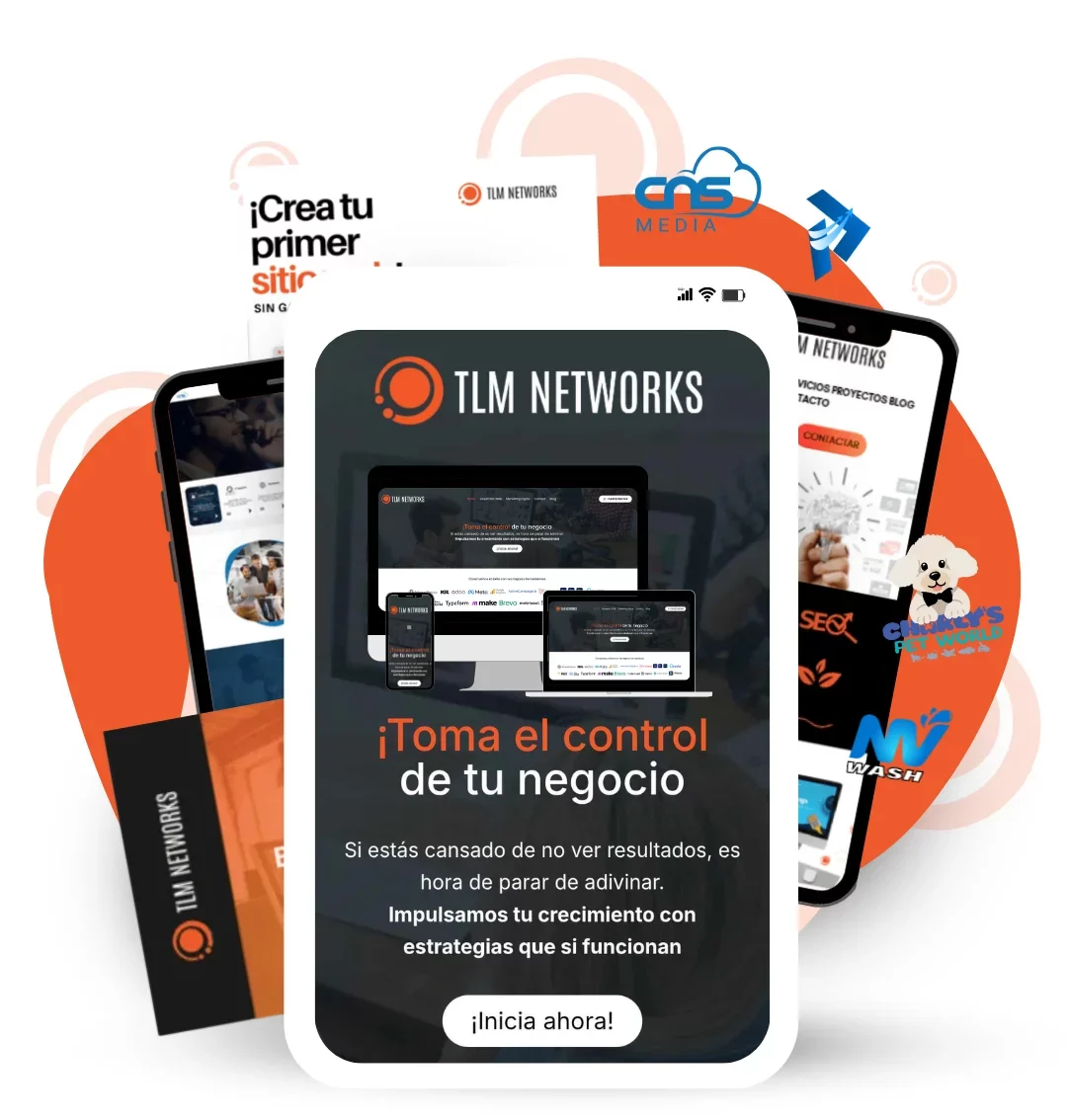
User Research & Strategy
User Personas Definition
We create detailed profiles of your ideal users to understand their motivations, pain points, and specific behaviors.
User Journey Maps
We visualize the entire path a person takes from discovering your brand to completing an action, optimizing every touchpoint.
UX Audit & Benchmarking
We analyze your current platform and your competitors' to identify usage barriers and strategic improvement opportunities.
Interviews & Surveys
We gather real data from users to base every design decision on certainty, not assumptions.
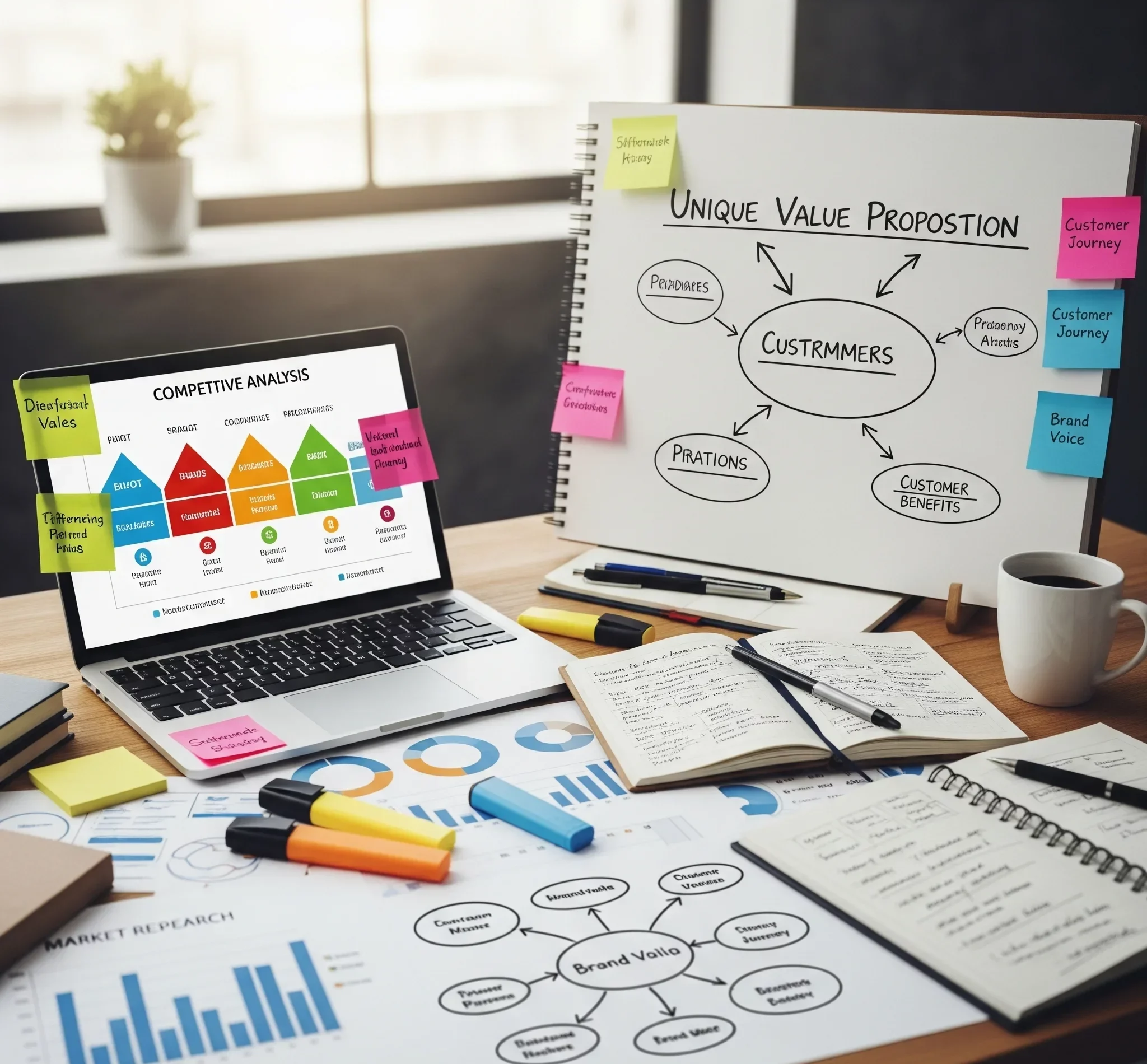
Information Architecture & Wireframing
Sitemaps
We organize the content hierarchy logically so that users always know where they are and how to reach their destination.
User Flows
We design the technical paths users must follow to complete tasks, ensuring the route is as short and efficient as possible.
Low-Fidelity Wireframes (Lo-Fi)
We create structural black-and-white blueprints to validate element placement and information hierarchy without visual distractions.
Content Strategy (UX Writing)
We define how text should communicate within the interface to guide the user in a clear and friendly manner.

Interaction Design & Prototyping
Micro-interactions Design
We take care of the small details, such as button behavior and loading animations, that make the experience feel "alive."
High-Fidelity Interactive Prototypes
We deliver functional mockups that simulate the real product experience, allowing you to navigate through it before writing a single line of code.
Design Systems & Components
We create libraries of reusable elements that guarantee visual and technical consistency across all sections of your product.
Usability Principles (Heuristics)
We apply international standards to ensure the interface is predictable, efficient, and capable of preventing user errors.
Usability Evaluation & Optimization
Testing with Real Users
We observe how real people interact with the prototype to detect confusion and adjust the design before launch.
Heatmap Analysis
We use technological tools to see where your users click and how far they scroll, optimizing "hot zones."
Accessibility Audit (A11y)
We ensure your product is usable by people with different abilities, complying with digital inclusion standards.
Conversion Rate Optimization (CRO)
We adjust specific design elements to reduce cart or form abandonment, improving your return on investment.

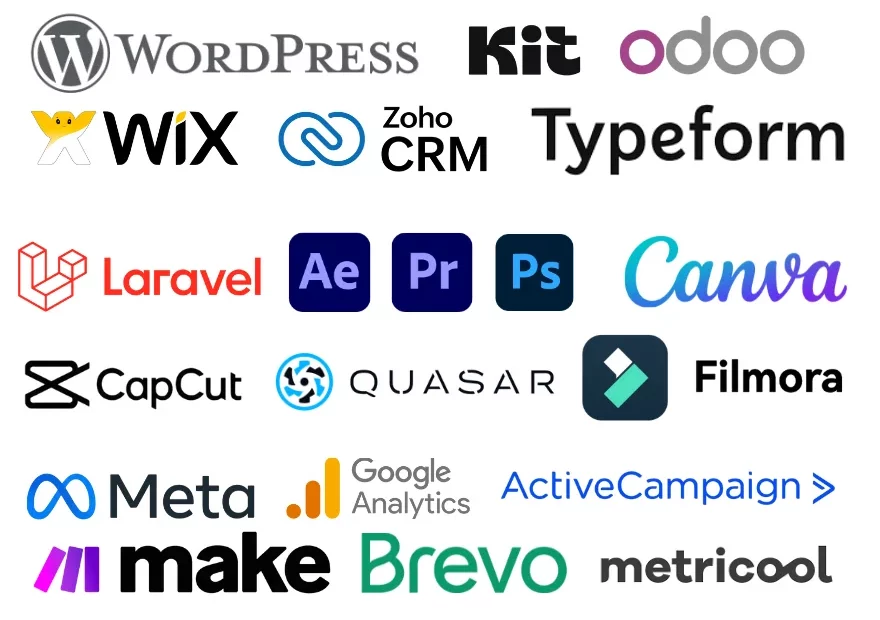
We build success with the best tools.

Choose your ideal plan
Clarifying your concerns: Quick answers for you.
What is the difference between UI and UX?
UX (User Experience) handles “how it works” and how the process feels, while UI (User Interface) handles “how it looks” (colors, fonts, aesthetics). Both are necessary, but UX is the logical foundation for success.
Does this service include website programming?
No. UX Design delivers the blueprints and functional prototypes ready for a developer to turn into code. At TLM Network, we can offer development separately to ensure the UX vision is 100% fulfilled.
Why does my company need UX if I already have a "pretty" graphic design?
Because a pretty design that is hard to navigate frustrates the customer and makes them go to the competition. UX ensures the design works for your sales goals and isn’t just decorative.
Does it work for simple websites or only for complex apps?
It works for everything. From a single-service landing page to a complex e-commerce site. On any platform where a human must interact, UX makes the difference between a sale and a bounce.